
With HR Solutions for Employee Training and Development at the forefront, this discussion delves into the realm of optimizing employee growth and operational efficiency through innovative solutions. From exploring popular HR tools to the impact of technology integration, this narrative unfolds a compelling journey of empowerment and advancement in the workplace.
Let’s delve into the details of how HR solutions can revolutionize employee training and development for a more productive and engaged workforce.
HR Solutions
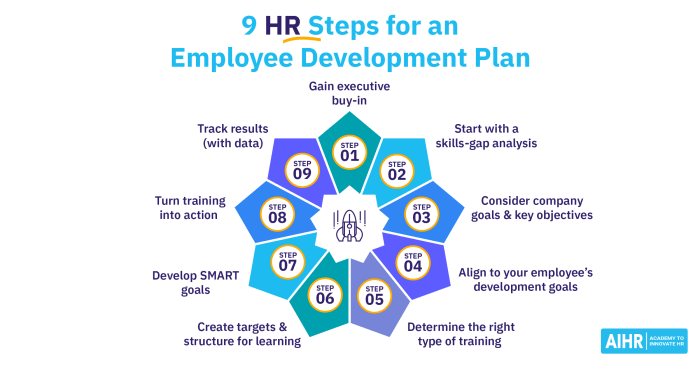
HR solutions refer to the strategies, tools, and technologies that Human Resources departments use to address various challenges related to employee training and development. These solutions are designed to streamline processes, enhance learning outcomes, and improve overall employee performance.
Popular HR Solutions for Employee Development
- Learning Management Systems (LMS): These platforms help organizations deliver, manage, and track training programs efficiently.
- Performance Management Software: Tools that enable HR professionals to set goals, track progress, and provide feedback to employees.
- Employee Engagement Platforms: Solutions that focus on boosting employee motivation, satisfaction, and retention through various initiatives and activities.
- Skill Development Programs: Training programs that aim to enhance employees’ skills and competencies to meet the evolving needs of the organization.
Benefits of Implementing HR Solutions for Training and Development
- Increased Efficiency: HR solutions automate administrative tasks, allowing HR professionals to focus more on strategic initiatives and employee development.
- Improved Learning Experience: By leveraging technology, employees can access training materials anytime, anywhere, leading to a more personalized and engaging learning experience.
- Enhanced Performance: Implementing HR solutions for training and development can lead to better employee performance, increased productivity, and higher job satisfaction.
- Data-Driven Insights: Many HR solutions offer analytics and reporting capabilities, enabling organizations to track progress, identify gaps, and make data-driven decisions to optimize training programs.
Employee Training Programs
Employee training programs play a crucial role in the overall development and success of a company. By investing in training and development, organizations can ensure that their employees have the necessary skills and knowledge to perform their jobs effectively and efficiently.
Types of Training Programs
- On-the-Job Training: This type of training involves learning while performing actual tasks in the workplace. It allows employees to acquire new skills in real-time scenarios.
- Classroom Training: Classroom training involves traditional learning methods, such as lectures, workshops, and seminars. It provides a structured environment for employees to learn new concepts and theories.
- Online Training: Online training, also known as e-learning, allows employees to access training materials and courses remotely. It offers flexibility and convenience for employees to learn at their own pace.
- Simulations and Role-Playing: Simulations and role-playing exercises help employees practice skills and scenarios in a safe environment. It enhances their decision-making and problem-solving abilities.
- Mentorship Programs: Mentorship programs pair employees with experienced mentors who provide guidance, support, and knowledge transfer. It fosters professional growth and development.
HR Solutions for Enhancing Training Programs
- Learning Management Systems (LMS): HR solutions can implement LMS to streamline training processes, track employee progress, and deliver personalized learning experiences.
- Performance Management Tools: Performance management tools can help HR professionals assess the effectiveness of training programs and identify areas for improvement.
- Feedback Mechanisms: HR solutions can incorporate feedback mechanisms to gather input from employees regarding training programs, allowing for continuous improvement and customization.
- Data Analytics: Utilizing data analytics, HR solutions can analyze training outcomes, identify trends, and make data-driven decisions to enhance the overall effectiveness of employee training programs.
Development Needs Assessment
In order to effectively enhance the skills and knowledge of employees, conducting a development needs assessment is crucial. This process involves identifying the areas where employees may require training or development to perform their roles more efficiently.
Tools and Methods for Assessing Training Needs
- Performance Appraisals: Reviewing employee performance can help pinpoint areas where additional training or development is needed.
- Skills Assessments: Conducting assessments to evaluate the current skills of employees and identify gaps that need to be addressed.
- Surveys and Feedback: Gathering feedback from employees regarding their training needs and preferences can provide valuable insights.
- Job Analysis: Analyzing the requirements of different roles within the organization to determine the specific skills and knowledge needed for each position.
Streamlining Development Needs Assessment with HR Solutions
- Automated Tracking: HR solutions can automate the process of tracking employee performance and identifying areas for improvement.
- Customized Training Plans: These solutions can help create personalized training plans based on the individual development needs of employees.
- Data Analysis: By analyzing data on employee performance and training history, HR solutions can provide valuable insights for future training initiatives.
- Integration with Learning Management Systems: Integrating HR solutions with learning management systems can streamline the process of delivering training materials and tracking employee progress.
Technology Integration
Technology plays a crucial role in modern HR solutions for employee training and development. By leveraging innovative technologies, organizations can enhance the effectiveness of their training programs, improve employee engagement, and drive better learning outcomes.
Virtual Reality (VR) and Augmented Reality (AR) Training
- Virtual Reality (VR) and Augmented Reality (AR) are transforming the way employees are trained by providing immersive and interactive learning experiences.
- Employees can engage in realistic simulations and scenarios, making the training more engaging and memorable.
- By integrating VR and AR in HR solutions, organizations can improve knowledge retention and skills development among employees.
Mobile Learning Platforms
- Mobile learning platforms allow employees to access training materials anytime, anywhere, using their smartphones or tablets.
- This flexibility enables employees to learn at their own pace and convenience, increasing engagement and participation in training programs.
- Organizations can deliver bite-sized learning modules through mobile platforms, making learning more accessible and personalized for employees.
Artificial Intelligence (AI) in Personalized Learning
- AI-powered algorithms can analyze employee performance data and provide personalized learning recommendations based on individual needs and learning styles.
- This personalized approach to training ensures that employees receive targeted content and resources to enhance their skills and knowledge.
- By integrating AI in HR solutions, organizations can create a more adaptive and effective training environment for employees.
In conclusion, HR Solutions for Employee Training and Development offer a transformative approach to nurturing talent, fostering growth, and driving organizational success. By leveraging the power of strategic solutions and technology, companies can pave the way for a future-ready workforce poised for excellence.
Questions Often Asked
What are some popular HR solutions for employee development?
Popular HR solutions include performance management systems, learning management platforms, and employee engagement tools.
How can HR solutions enhance employee training programs?
HR solutions can enhance training programs by personalizing learning experiences, tracking progress, and providing analytics for continuous improvement.
Why is technology integration crucial in modern HR solutions for training and development?
Technology integration ensures efficient delivery of training, boosts engagement, and enables adaptive learning experiences tailored to individual needs.


