
Exploring the realm of HR solutions software for employee management, this introduction sets the stage for a deep dive into the intricacies of streamlining HR processes and enhancing employee experience through technology.
As we navigate through the various facets of HR solutions software, we uncover the pivotal role it plays in modern business operations and the tangible benefits it offers to both organizations and their workforce.
HR Solutions
In the realm of employee management, HR solutions refer to software platforms designed to streamline and optimize human resources processes within an organization.
Importance of HR Solutions Software for Businesses
HR solutions software plays a crucial role in enhancing efficiency, accuracy, and compliance in managing workforce-related tasks. Here are key reasons why businesses rely on HR solutions:
- Centralized Data Management: HR software allows for the consolidation of all employee data in one secure location, facilitating easy access and retrieval of information.
- Automated Processes: From payroll management to performance evaluations, HR solutions automate repetitive tasks, reducing manual errors and saving time.
- Compliance Assistance: With built-in compliance tools, HR software helps businesses adhere to labor laws, regulations, and industry standards.
- Strategic Decision-Making: By providing insights through analytics and reporting features, HR solutions enable data-driven decision-making for HR strategies.
Key Features and Functionalities of HR Solutions Software
Modern HR solutions software offer a wide range of features to cater to the diverse needs of businesses. Some of the key functionalities include:
- Employee Self-Service Portals: Empowering employees to access and update their personal information, request time off, and view company policies.
- Recruitment and Onboarding Tools: Streamlining the hiring process from job posting to onboarding new hires, ensuring a seamless experience for both candidates and employers.
- Performance Management Systems: Setting goals, tracking progress, and providing feedback to enhance employee performance and development.
- Training and Development Modules: Offering online learning resources, courses, and certifications to upskill employees and foster continuous growth.
Employee Management Software
Employee management software plays a crucial role in streamlining HR functions and enhancing efficiency within organizations. By automating various processes related to employee data, performance, and engagement, this software helps HR teams focus on strategic initiatives rather than administrative tasks.
Common Challenges Addressed by HR Software
- Time-consuming manual data entry: Employee management software eliminates the need for manual data entry by storing all information in a centralized system, reducing errors and saving time.
- Compliance and regulatory requirements: HR software ensures that organizations stay compliant with labor laws and regulations by providing tools for tracking and managing employee records.
- Performance evaluation and feedback: With features for setting goals, tracking progress, and providing feedback, employee management software helps streamline the performance evaluation process.
Streamlining HR Processes with Employee Management Software
- Centralized employee data: Having all employee information in one place makes it easy to access and update, ensuring data accuracy and consistency.
- Automated workflows: HR software automates repetitive tasks such as onboarding, payroll processing, and performance reviews, saving time and reducing manual errors.
- Enhanced communication: Employee management software often includes communication tools that facilitate collaboration and feedback between employees and managers, improving overall engagement and productivity.
Benefits of HR Solutions Software
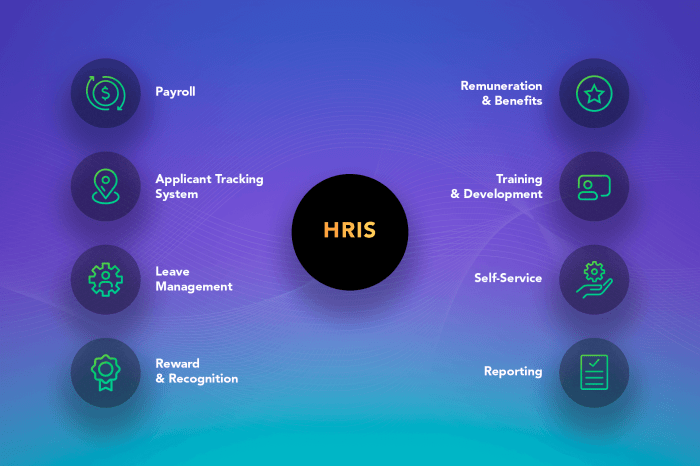
Using HR solutions software for employee management offers a wide range of benefits that can streamline processes, increase efficiency, and enhance overall employee experience.
Efficiency and Accuracy
- Automated HR solutions reduce manual paperwork and administrative tasks, saving time and reducing human errors.
- Centralized data storage and easy access to information ensure accuracy and consistency in employee records.
Cost-Effectiveness
- Eliminating the need for paper-based processes and reducing manual labor can result in cost savings for the organization.
- By automating repetitive tasks, HR solutions software allows HR staff to focus on strategic initiatives and employee development.
Improved Employee Experience
- Self-service portals and mobile access to HR information empower employees to manage their own data, such as leave requests and benefits enrollment.
- Enhanced communication through features like instant messaging and feedback tools can improve employee engagement and satisfaction.
Implementing HR Solutions
Implementing HR solutions software in an organization is a crucial step towards streamlining employee management processes and improving overall efficiency. Below are the steps for successfully implementing HR solutions software:
Steps for Implementing HR Solutions
- Assess the organization’s needs and objectives to determine the functionalities required in the HR software.
- Research and select a reputable HR solutions provider that aligns with the organization’s requirements.
- Customize the software to fit the organization’s unique processes and workflows.
- Test the software thoroughly to identify any bugs or issues before full implementation.
- Train a core team of employees who will be responsible for managing and using the HR software.
- Roll out the software gradually across different departments to ensure a smooth transition.
- Monitor the software’s performance and gather feedback from users to make necessary adjustments.
Best Practices for Integrating HR Software with Existing Systems
- Ensure compatibility between the HR software and existing systems by conducting thorough integration testing.
- Establish clear communication channels between IT teams and HR departments to address any integration challenges promptly.
- Regularly update and maintain the integration to accommodate changes in the organization’s systems and processes.
Tips for Training Employees on Using HR Solutions Software Effectively
- Provide comprehensive training sessions with hands-on practice to familiarize employees with the software’s features and functionalities.
- Create user guides and manuals for reference, along with ongoing support from IT and HR teams.
- Encourage employees to ask questions and provide feedback to enhance their understanding and usage of the HR software.
In conclusion, HR solutions software emerges as a game-changer in the realm of employee management, revolutionizing traditional HR practices and paving the way for a more efficient, engaged, and productive workforce.
Frequently Asked Questions
How can HR solutions software benefit businesses?
HR solutions software can streamline processes, improve efficiency, and enhance employee engagement, leading to overall organizational success.
What are the key features of HR solutions software?
Key features include automated workflows, data analytics, employee self-service portals, and integration capabilities with existing systems.
How does HR software improve employee experience?
By providing easy access to important information, facilitating communication, and enabling self-service options, HR software enhances employee satisfaction and engagement.


